

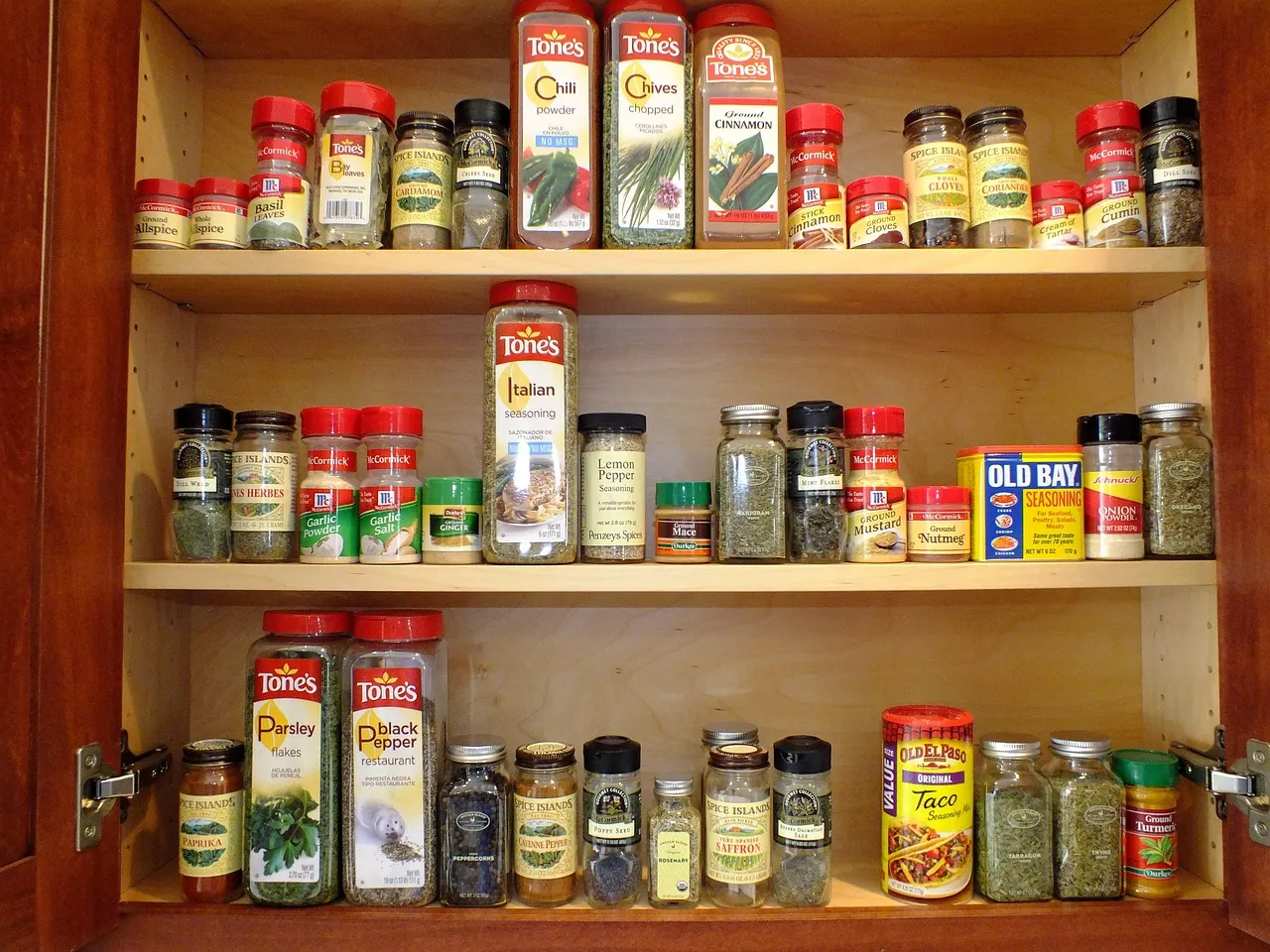
The Expat Vegan's Pantry: What to Buy in a New Country
The Expat Vegan’s Pantry: What to Buy in a New Country
Moving abroad resets everything, including your kitchen. You stand in a grocery store where the brands, the packaging and the language are all new, and you have to build a pantry from zero. The trick is to start with ingredients that are the same everywhere, then add the local finds once you know what to check.
Key Takeaways
- Start with universal staples that need no label-reading: grains, legumes, nuts, seeds, produce and basic condiments.
- Learn the local animal-derived words, then use the allergen section on anything packaged.
- Build a base pantry first, then add local products one at a time as you verify them.
- Use a scanner app to translate and flag unfamiliar brands, even offline.
TL;DR: The expat vegan pantry starts with universal staples, then layers in local products as you verify them. A scanner app is the fastest way to check unfamiliar brands.
Start with what is the same everywhere
The first shopping trip should build a base from ingredients that are plant-based in every country. These need no label-reading and are available in nearly any store:
- Grains: rice, oats, pasta, couscous
- Legumes: dried or canned beans, lentils, chickpeas
- Nuts and seeds: peanuts, almonds, sunflower seeds, tahini
- Produce: potatoes, onions, garlic, carrots, greens, fruit
- Basics: olive oil, salt, vinegar, spices, peanut butter
A vegan pantry guide for new expats frames it the same way: the first step is a short list of staples that are easy to find and safe by default, so the first trips are not overwhelming (The Dharma Store, retrieved 2026-08-25).
Learn the animal words, then layer in the local stuff
Once the base is set, you add local products, but that is where the risk is. Learn the five or six animal-derived words in the local language (milk, egg, meat, fish, gelatin, butter), and read the allergen section, which usually bolds milk, egg and fish. A 50-item starter pantry guide uses the same logic: keep a running list of safe staples and verify new items before they join it (Stay Healthy Vegan, retrieved 2026-08-25).
The scanner workflow for new brands
This is the part a scanner makes fast. For every unfamiliar brand:
- Point your phone at the barcode or the ingredient list.
- The app reads it, translates it, and flags animal-derived ingredients against your diet.
- If it clears, the product goes on your safe list.
The Verify Veg app does this offline after you download a language, which matters when you are in a store with no signal or reading a label in a script you cannot parse.
Build once, then it compounds
The payoff of the pantry approach is that it compounds. Once you have verified a brand of canned beans, a brand of bread, and a brand of plant milk, you never have to check them again. Your safe list grows, and each shopping trip gets faster. After a few weeks, the foreign store feels as routine as the one back home.
A simple routine
- Stock the universal staples on day one.
- Learn the animal words and check the allergen section.
- Add one or two new local products per trip, verifying each with a scan.
- Keep a running safe list so you only check each brand once.
The bottom line
The expat vegan pantry is built in two layers: universal staples first, then verified local products. Learn the animal words, scan the unfamiliar brands, and the new country’s grocery store becomes routine faster than you expect.
Check before you eat. The Verify Veg app scans a barcode or reads an ingredient list from a photo and flags ingredients against your diet (vegan, vegetarian, halal, kosher, Jain and more). Download on the App Store - Android is coming soon.
Written by Samir Narain, founder of Verify Veg. Verify Veg helps people check packaged food against their diet by scanning barcodes and reading ingredient lists from photos.
Note: Verify Veg provides ingredient-based compatibility checks, not certification. Ingredient sources can vary by manufacturer, so always confirm with the brand or vendor.