

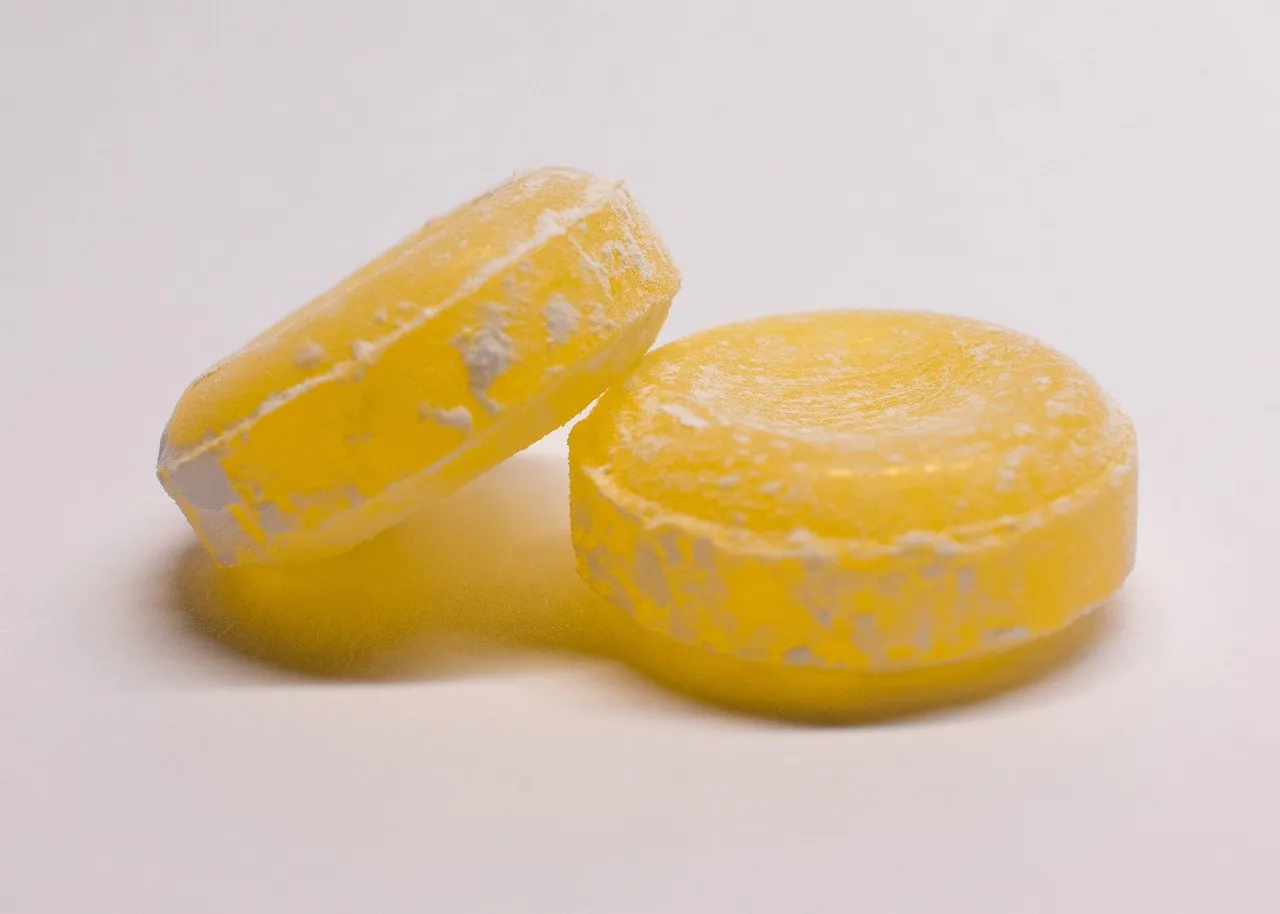
Is Shellac (E904) Vegan? Confectioner's Glaze, Explained
Is Shellac (E904) Vegan? Confectioner’s Glaze, Explained
That glossy shine on a jelly bean, a candy-coated chocolate, or a piece of fruit is often “confectioner’s glaze,” and the ingredient behind it is shellac. If you eat vegan, the surprise is that shellac is not a wax made from plants. It is a resin made by insects.
Key Takeaways
- Shellac (E904) is not vegan or vegetarian. It is a resin secreted by the lac insect.
- It appears as shellac, confectioner’s glaze, lac resin, food glaze, or E904.
- Carnauba wax (E903) is the plant-based alternative, made from palm leaves.
- It hides on shiny candy, glazed fruit and pill coatings.
TL;DR: Shellac is not vegan or vegetarian. It is a resin secreted by the lac insect, used as a glossy coating on candies, fruit and pills. Carnauba wax (E903) is the plant alternative.
What shellac is
Shellac comes from the lac insect (Kerria lacca), a tiny scale insect native to parts of Asia. The female insect secretes a resin to protect its eggs, and that resin is harvested, processed and turned into the hard, glossy coating we call shellac. The Vegetarian Resource Group describes it the same way: shellac is a resinous substance secreted by the lac insect, and because it is insect-derived, it is not vegetarian or vegan (Vegetarian Resource Group, retrieved 2026-08-25).
The food additive E904 is shellac, and it is used purely for appearance. It adds shine and a protective coat, not flavor.
Where shellac hides
- Shiny-coated candies, jelly beans and chocolate-covered nuts
- Glazed fruit and some citrus coatings
- Sprinkles and decorative sugar pieces
- Pill and supplement coatings
- Some nail polishes and wood finishes (non-food uses)
The pattern is easy to remember: if a food has a hard, glossy shell that is not from the food itself, check for shellac.
The plant alternative: carnauba wax
This is the most common point of confusion, because two similar additives sit next to each other on labels. Carnauba wax (E903) is plant-derived, harvested from the leaves of a Brazilian palm. It does the same glossy job but without insects.
| Additive | Source | Vegan? |
|---|---|---|
| E904 Shellac | Lac insect resin | No |
| E903 Carnauba wax | Palm leaves | Yes |
So if you are choosing between two shiny candies, one with E903 and one with E904, the E903 one is the plant-based choice (Wikipedia, E904, retrieved 2026-08-25).
How to check a label
- Look for shellac, confectioner’s glaze, lac resin, food glaze, or E904.
- If you see E903 or “carnauba wax” instead, that is plant-based.
- On fruit, ask whether it has a wax or shellac coating.
- Scan the product. A scanner app flags shellac and other insect-derived ingredients against your diet.
Shellac is one of several insect- and animal-derived additives. See our E-numbers cheat sheet for the full list, including carmine, gelatin and l-cysteine.
The bottom line
Shellac is insect resin in glossy form, and it is not vegan or vegetarian. The plant alternative is carnauba wax, so the fix is simple: read the label, or let a scanner sort it out.
Check before you eat. The Verify Veg app scans a barcode or reads an ingredient list from a photo and flags ingredients against your diet (vegan, vegetarian, halal, kosher, Jain and more). Download on the App Store - Android is coming soon.
Written by Samir Narain, founder of Verify Veg. Verify Veg helps people check packaged food against their diet by scanning barcodes and reading ingredient lists from photos.
Note: Verify Veg provides ingredient-based compatibility checks, not certification. Ingredient sources can vary by manufacturer, so always confirm with the brand or vendor.