

Is Gelatin Vegetarian or Vegan? (What It's Made From)
Is Gelatin Vegetarian or Vegan? (What It’s Made From)
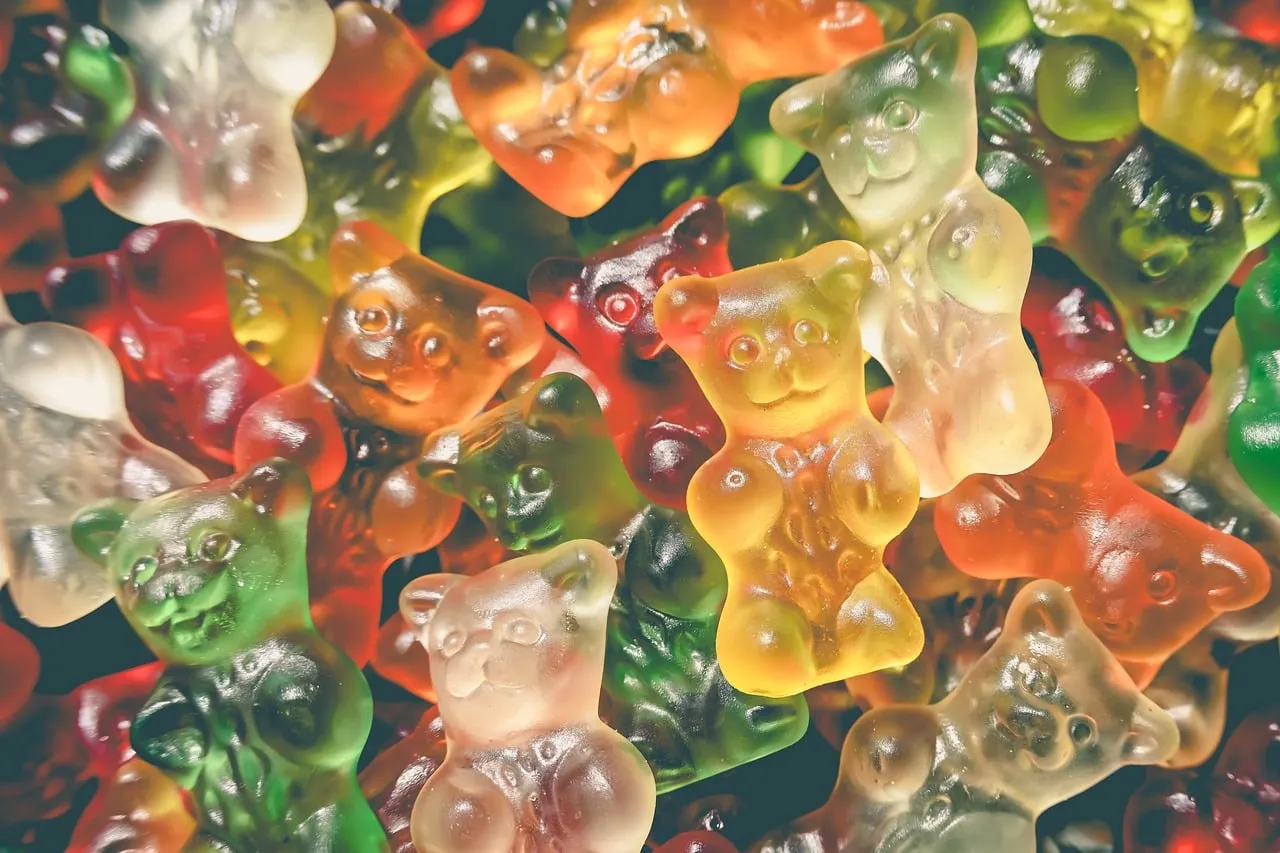
You reach for a bag of gummy bears, flip it over, and see “gelatin” near the top of the ingredients. If you eat vegetarian or vegan, you already suspect the answer, but it is worth knowing exactly what gelatin is and where else it hides. The short version: it is an animal product, and it shows up in far more than candy.
Key Takeaways
- Gelatin is not vegetarian or vegan. It is made from animal skin, bones and connective tissue, usually from pigs or cattle.
- It hides in gummy candy, marshmallows, jellies, capsule shells and some yogurts and desserts.
- Agar-agar, pectin and carrageenan are the main plant-based replacements that do the same job.
- On a label it appears as gelatin, gelatine, or E441.
TL;DR: Gelatin is not vegetarian or vegan. It is a protein extracted by boiling animal skin, bones and connective tissue, and it is the gelling agent behind gummy candy, marshmallows, jellies and many supplement capsules.
What gelatin actually is
Gelatin is a protein, not a fat or a carbohydrate. ScienceDirect defines it plainly: gelatin is “a denatured fibrous protein derived from collagen by partial thermal hydrolysis” (ScienceDirect, retrieved 2026-08-25). Collagen is the structural protein in animal skin, bones and cartilage, and hydrolysis is just the process of breaking it down with heat and water.
That is why gelatin can hold a shape when it cools. The dissolved protein forms a gel that gives gummy bears their chew and jelly its wobble.
How it is made
The manufacturing process starts with animal by-products. The Gelatine Manufacturers of Europe, the industry’s own trade body, describes the raw materials as collagen-containing animal material, mainly pig skin and cattle hides and bones (GME, retrieved 2026-08-25). The material is treated, extracted with hot water, and dried into the powder or sheets you see in ingredients.
That source matters for two reasons. First, it confirms gelatin is a direct animal product, not a plant derivative. Second, the exact animal source varies by region and supplier, so a product can be pork-based, beef-based, or even fish-based without the label telling you which one.
Where gelatin hides
The obvious places are candy and dessert, but gelatin is also a workhorse in packaged food and medicine:
- Gummy candy, fruit snacks and marshmallows
- Jellies, panna cotta, mousses and some frostings
- Chewy sweets and some licorice
- Capsule shells for supplements and some medicines
- Some yogurts, sour creams and low-fat spreads (gelatin adds body)
- A few wines and juices use it as a fining agent, though it is removed before bottling
The pattern is simple: if a food is soft-set, glossy, or holds a shape without refrigeration, check for gelatin.
Why it is not vegetarian or vegan
Vegetarians avoid animal flesh, and vegans avoid all animal products. Gelatin fails both tests. It is rendered from the skin and bones of slaughtered animals, so it is neither meat-free nor animal-free. Fish gelatin exists and is sometimes used in kosher-certified products, but it is still an animal product and still not vegetarian.
This is also why “vegetarian” and “vegan” certifications matter. A product can be egg-free, dairy-free and meat-free and still contain gelatin, because gelatin does not read as “meat” to the average shopper.
The plant-based alternatives
Three plant gelling agents do most of what gelatin does:
| Alternative | Source | Best for |
|---|---|---|
| Agar-agar (E406) | Red algae (seaweed) | Firm gels, jellies, desserts |
| Pectin (E440) | Fruit (apples, citrus) | Jams, fruit snacks, soft gels |
| Carrageenan (E407) | Red seaweed | Dairy alternatives, creamy textures |
Agar sets firmer than gelatin and does not need refrigeration, which is why it is the standard replacement in vegan desserts. Pectin is already what sets most jam. Carrageenan gives plant milks their creamy mouthfeel. If a label lists one of these instead of gelatin, the product is plant-based on that front.
How to check a label
- Look for the words gelatin, gelatine, or the code E441.
- Look for “hydrolyzed collagen” in supplements. It is essentially gelatin in another form.
- Check for a vegan or vegetarian certification logo, which rules gelatin out.
- When in doubt, scan the product. A scanner app flags gelatin against your diet automatically.
The last point is where the effort goes away. Reading for one ingredient is easy, but a full ingredient list contains dozens of additives, and gelatin is only one of the animal-derived ones. See our E-numbers cheat sheet for the full list, including carmine, shellac and l-cysteine.
The bottom line
Gelatin is animal skin and bone in processed form. It is not vegetarian, and it is not vegan. The good news is that the plant alternatives (agar, pectin, carrageenan) are common enough that a vegan version of almost any gelled food now exists. You just have to read the label, or let a scanner do it for you.
Check before you eat. The Verify Veg app scans a barcode or reads an ingredient list from a photo and flags ingredients against your diet (vegan, vegetarian, halal, kosher, Jain and more). Download on the App Store - Android is coming soon.
Written by Samir Narain, founder of Verify Veg. Verify Veg helps people check packaged food against their diet by scanning barcodes and reading ingredient lists from photos.
Note: Verify Veg provides ingredient-based compatibility checks, not certification. Ingredient sources can vary by manufacturer, so always confirm with the brand or vendor.