

Tag: travel
24 posts tagged "travel"
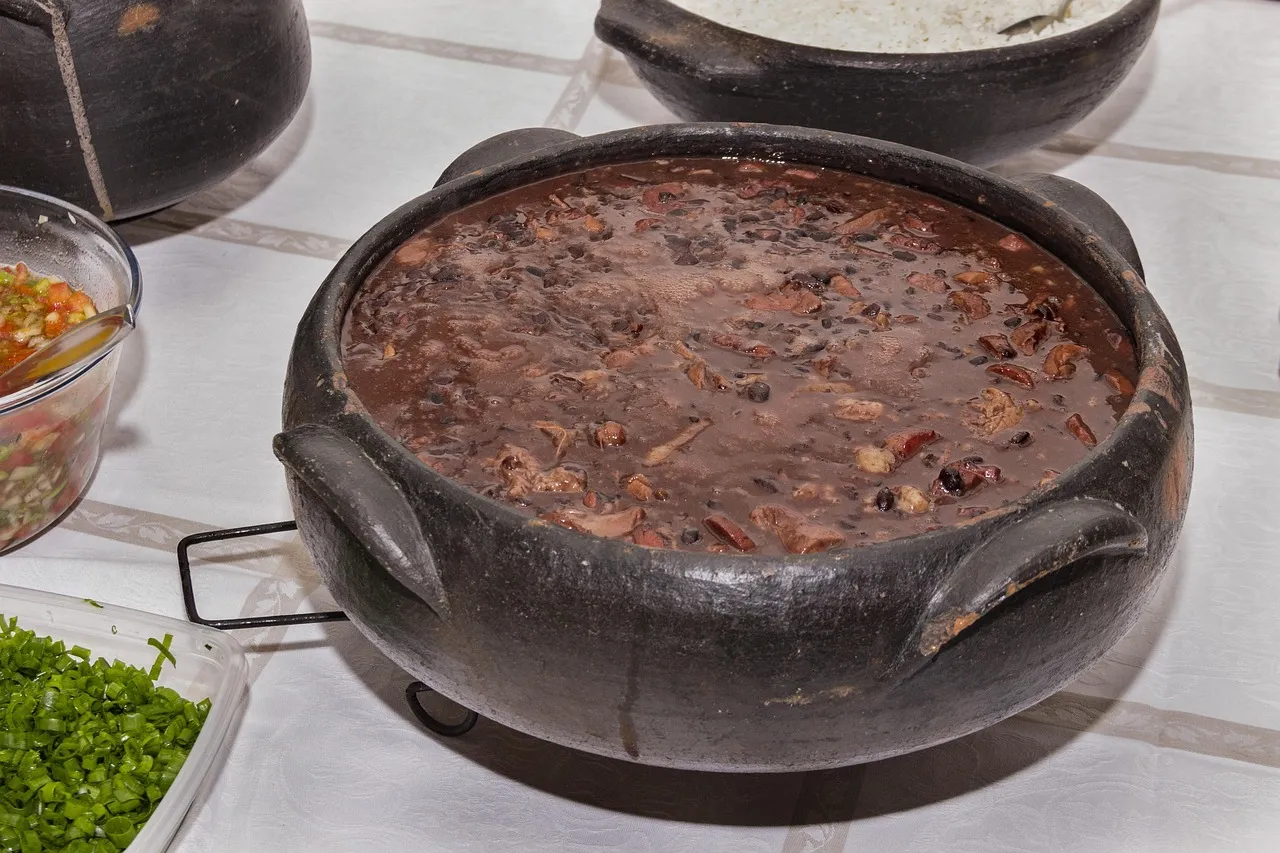
Hidden Animal Ingredients in Brazilian Food (Feijoada, Carne Seca)
Brazilian food hides animal products in feijoada (pork and beef), carne seca, lard and butter, even in rice and beans. Here's what to watch and how to eat vegan in Brazil.
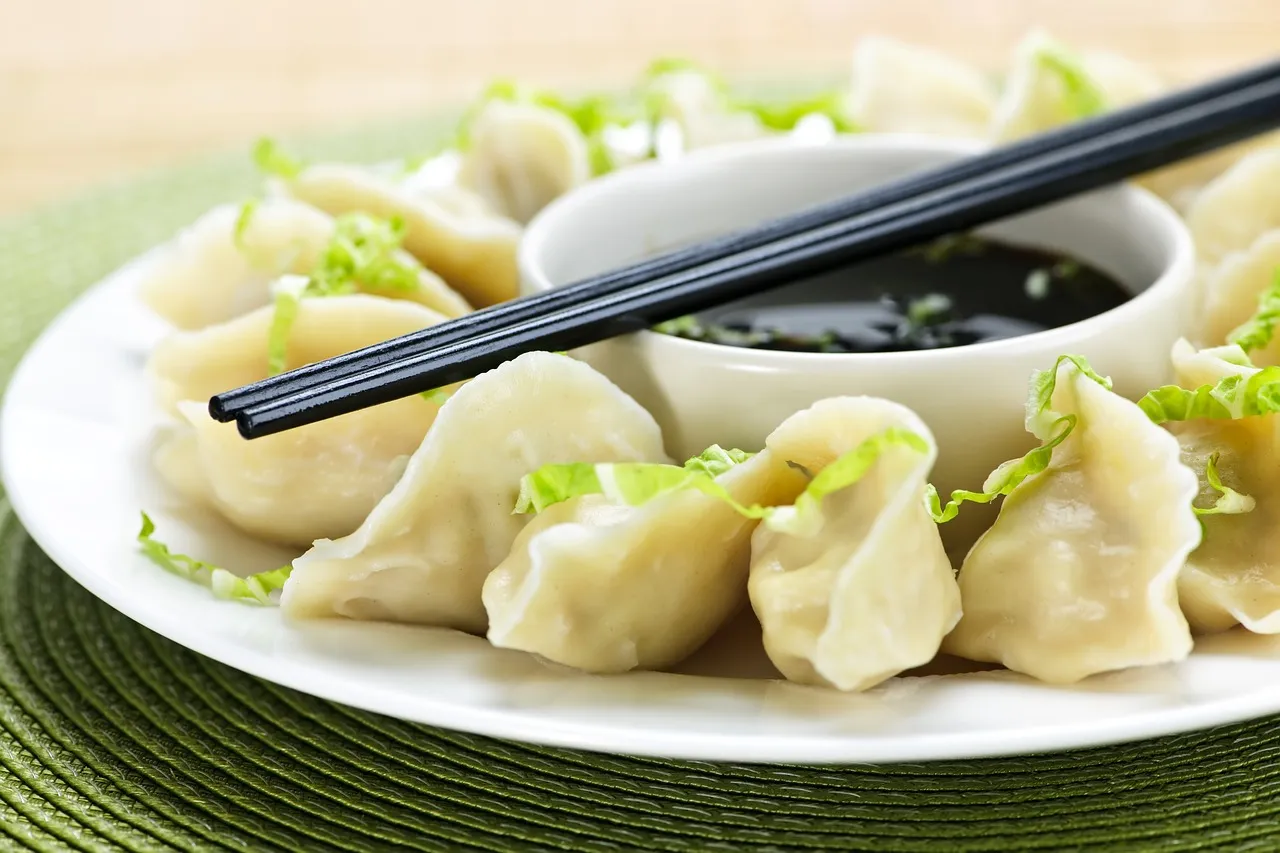
Hidden Animal Ingredients in Chinese Food (Oyster Sauce, Lard)
Chinese food hides animal products in oyster sauce, lard, pork stock and minced meat in 'vegetable' dishes. Here's what to watch and how to order vegan in China.

Hidden Animal Ingredients in French Food (Butter, Lardons)
French food hides animal products in butter, lardons bacon, gelatin and rennet cheese, even in vegetable dishes. Here's what to watch and how to eat vegan in France.
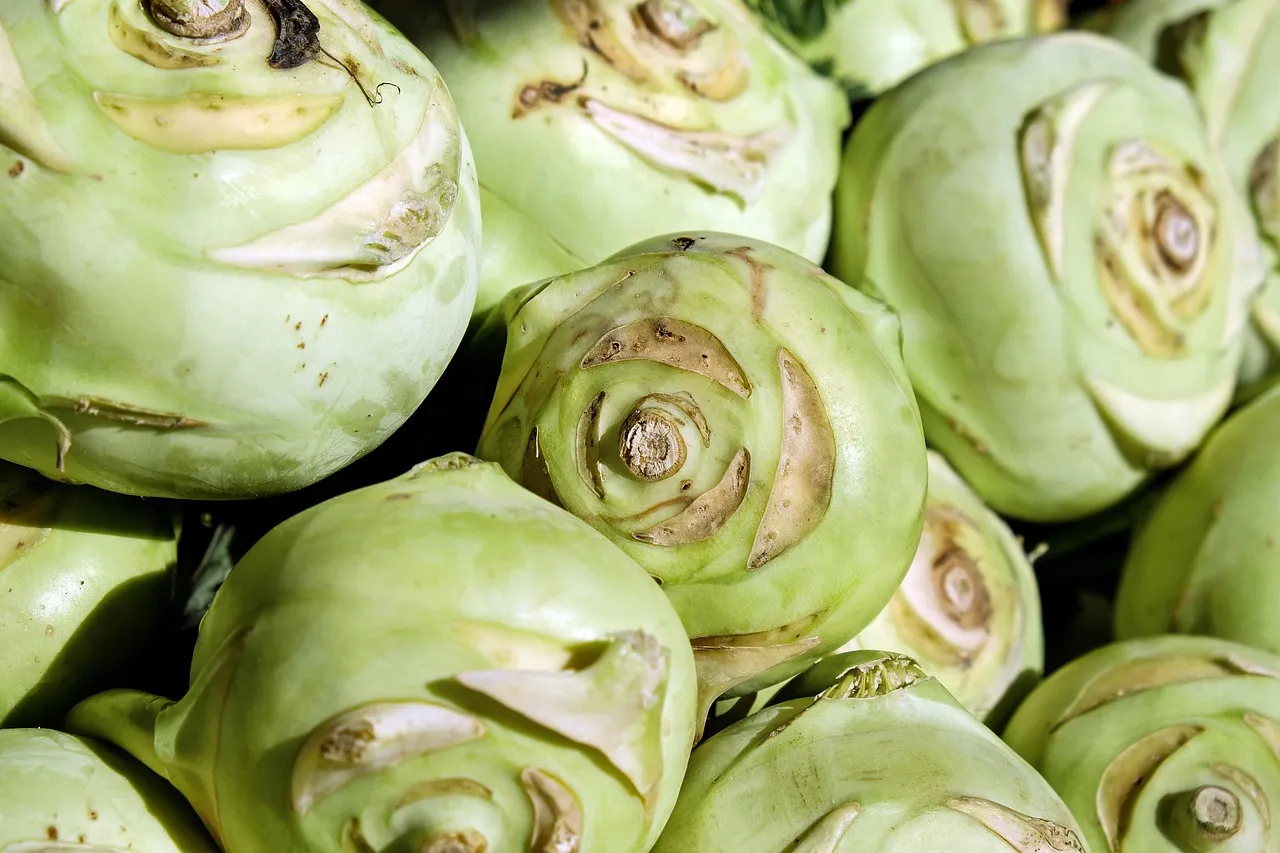
Hidden Animal Ingredients in German Food (Gelatin, Speck)
German food hides animal products in gelatin (gummy bears), speck bacon, rennet cheese and sausages, even in sweets. Here's what to watch and how to eat vegan in Germany.
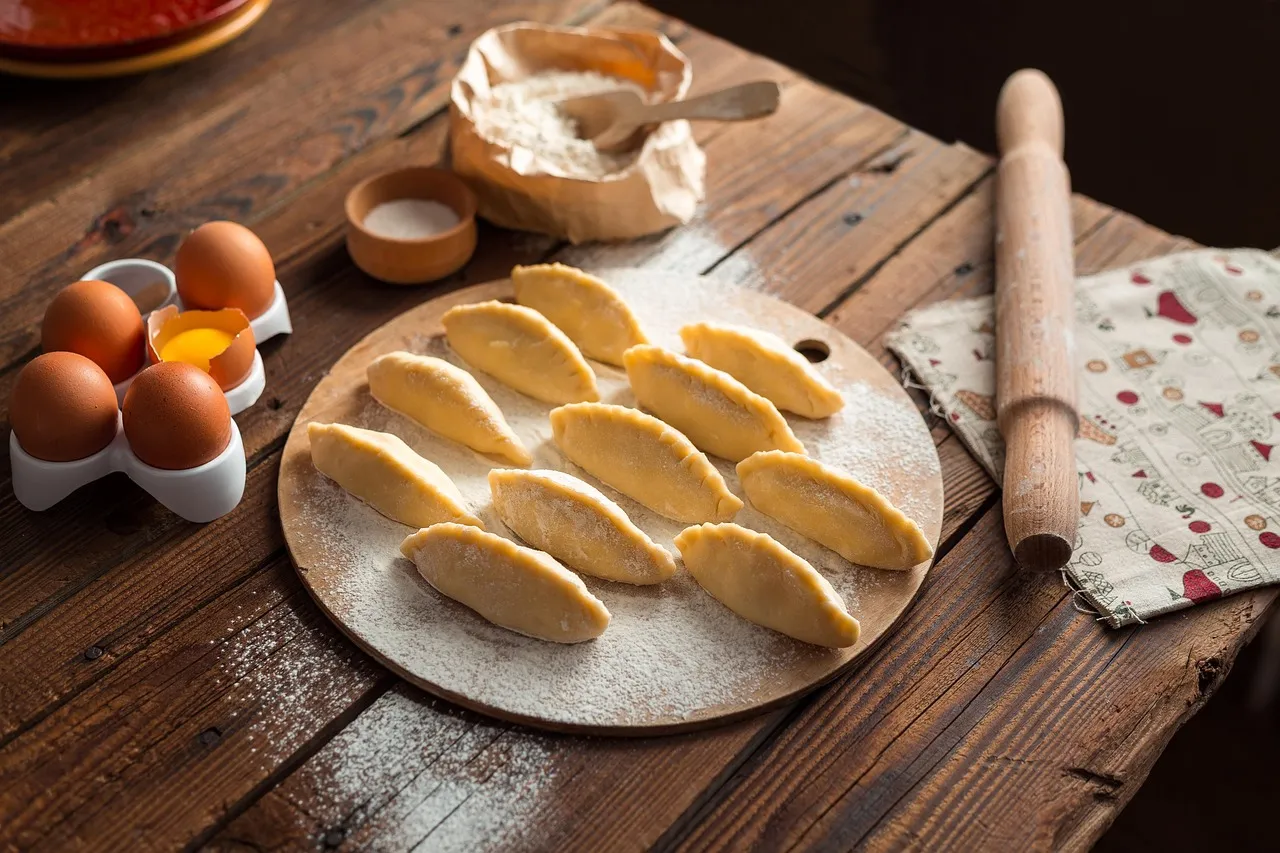
The Halal Traveler's Food Guide (Airports, Hotels and Grocery)
Eating halal while traveling means spotting hidden pork, alcohol and animal rennet in unfamiliar food. Here's how to check labels and stay halal anywhere.

How to Ask 'Is This Vegetarian?' in Japanese, German, French and More
The word 'vegetarian' doesn't always translate cleanly, and fish is not always treated as meat. Here are the exact phrases to ask in seven languages.
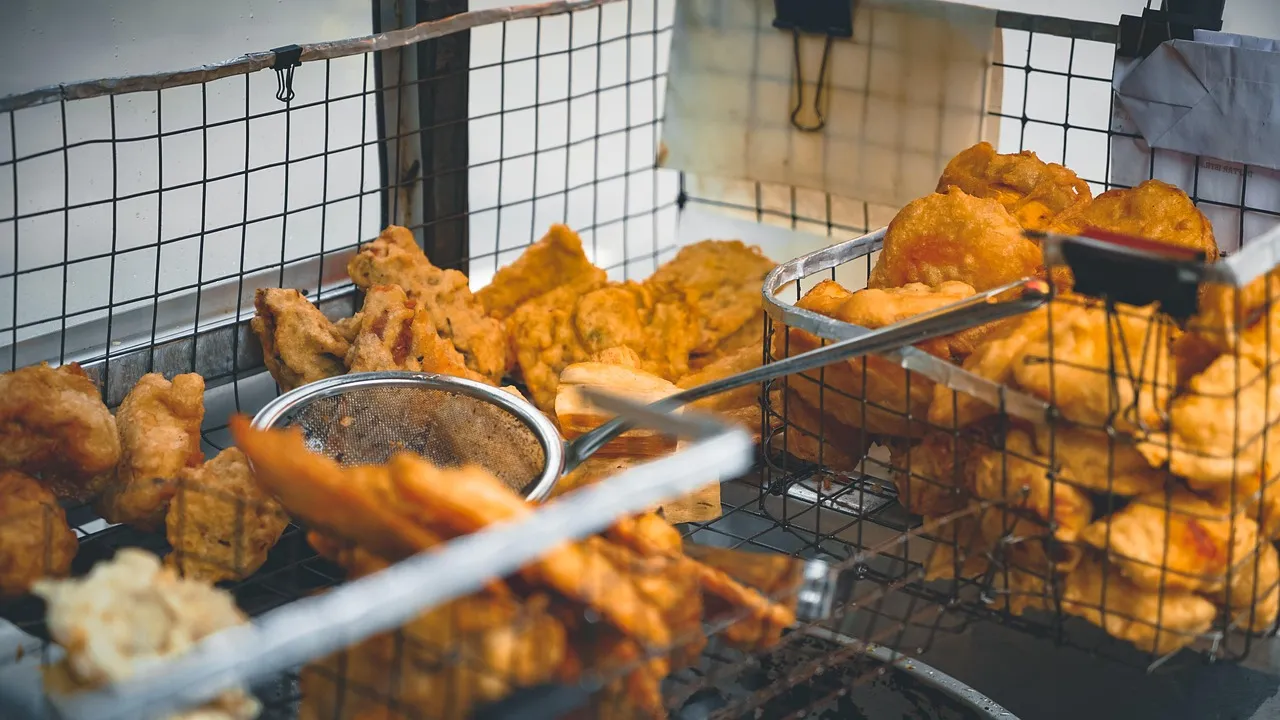
Hidden Animal Ingredients in Indonesian Food (Terasi, Krupuk)
Indonesian food hides animal products in shrimp paste (terasi), fish sauce and shrimp crackers (krupuk), even in sambal. Here's what to watch and how to eat vegan in Indonesia.

Ingredient Translation Cheat Sheet (Animal-Derived Words in 8 Languages)
The animal-derived ingredient words to recognize on foreign labels: milk, egg, meat, fish, gelatin and more, across German, French, Dutch, Indonesian, Spanish, Italian and Japanese.
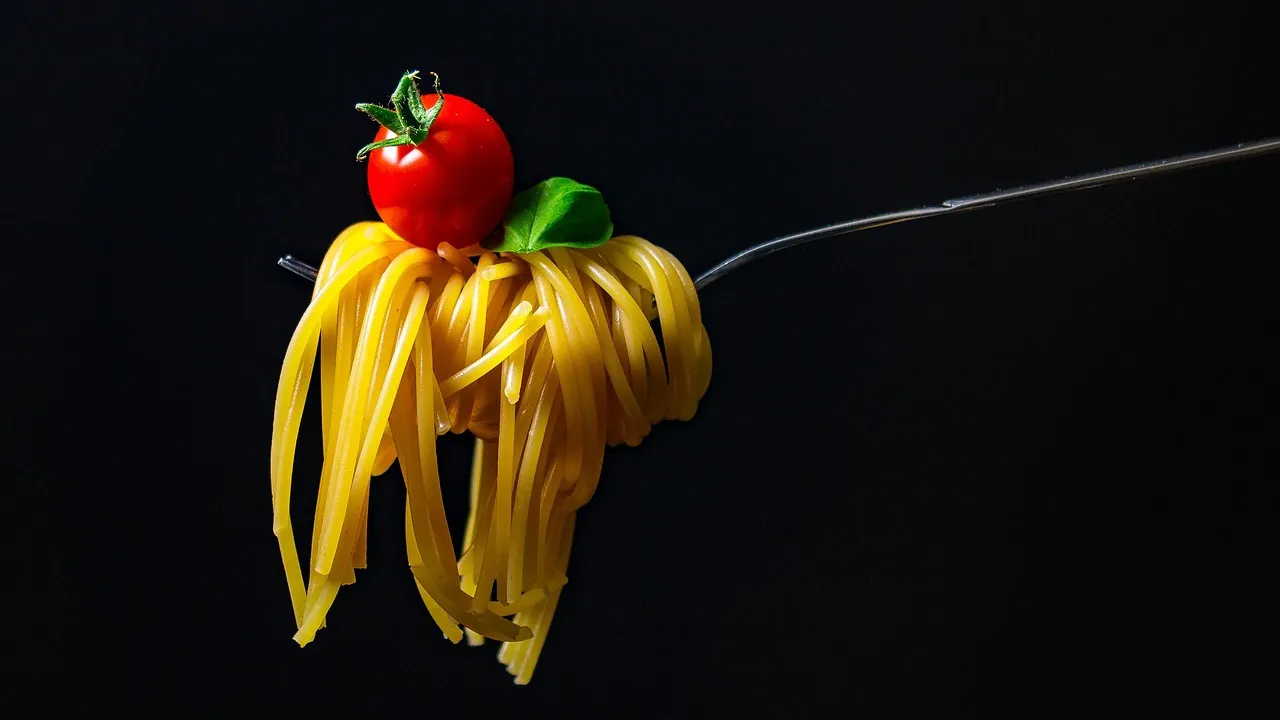
Hidden Animal Ingredients in Italian Food (Rennet, Anchovy and Guanciale)
Italian food hides animal products in cheese rennet, anchovies and cured pork, even in dishes that look vegetarian. Here's what to watch and how to eat vegan in Italy.
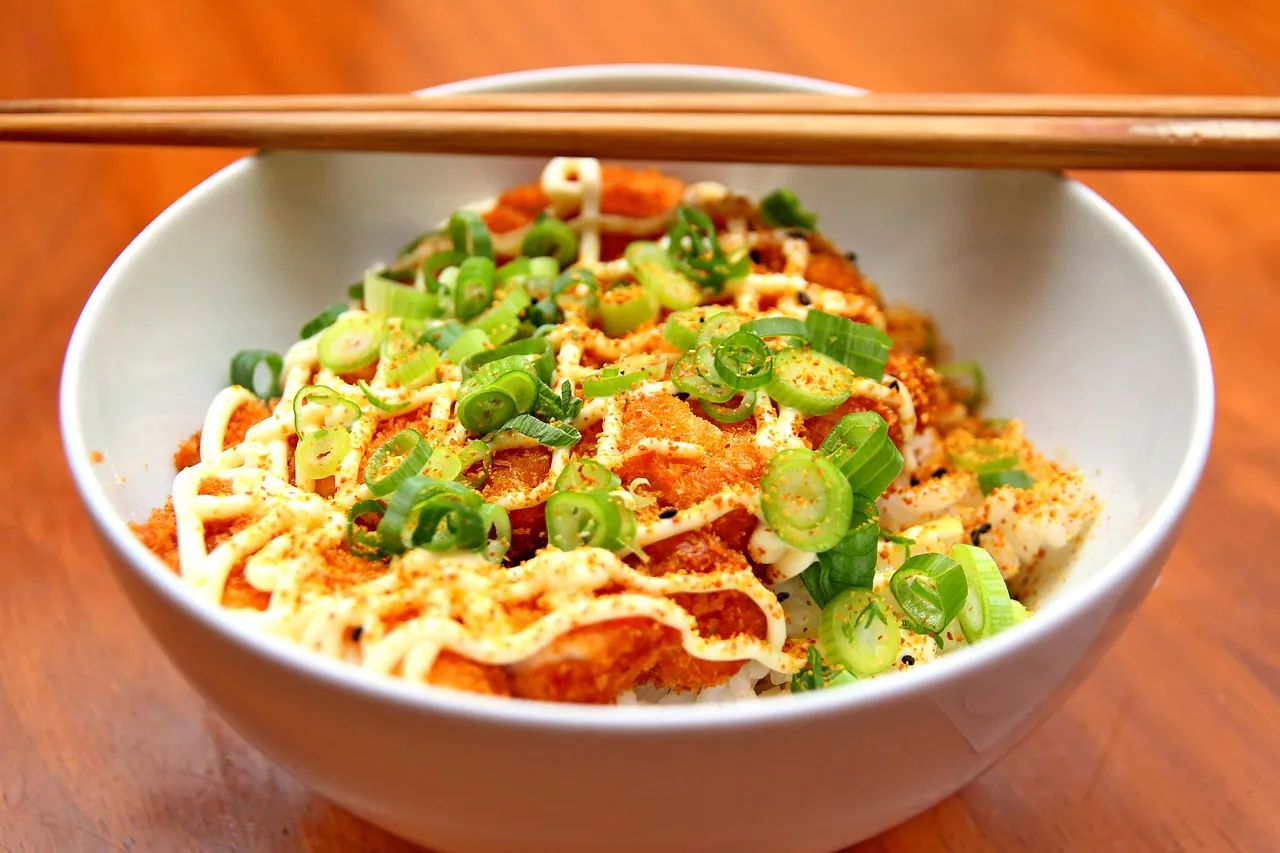
Hidden Animal Ingredients in Japanese Food (Dashi, Bonito, Mirin)
Japanese food hides animal products in broths and seasonings: bonito dashi, katsuobushi flakes, fish in sauces, egg and gelatin. Here's what to watch and what's vegan-safe.
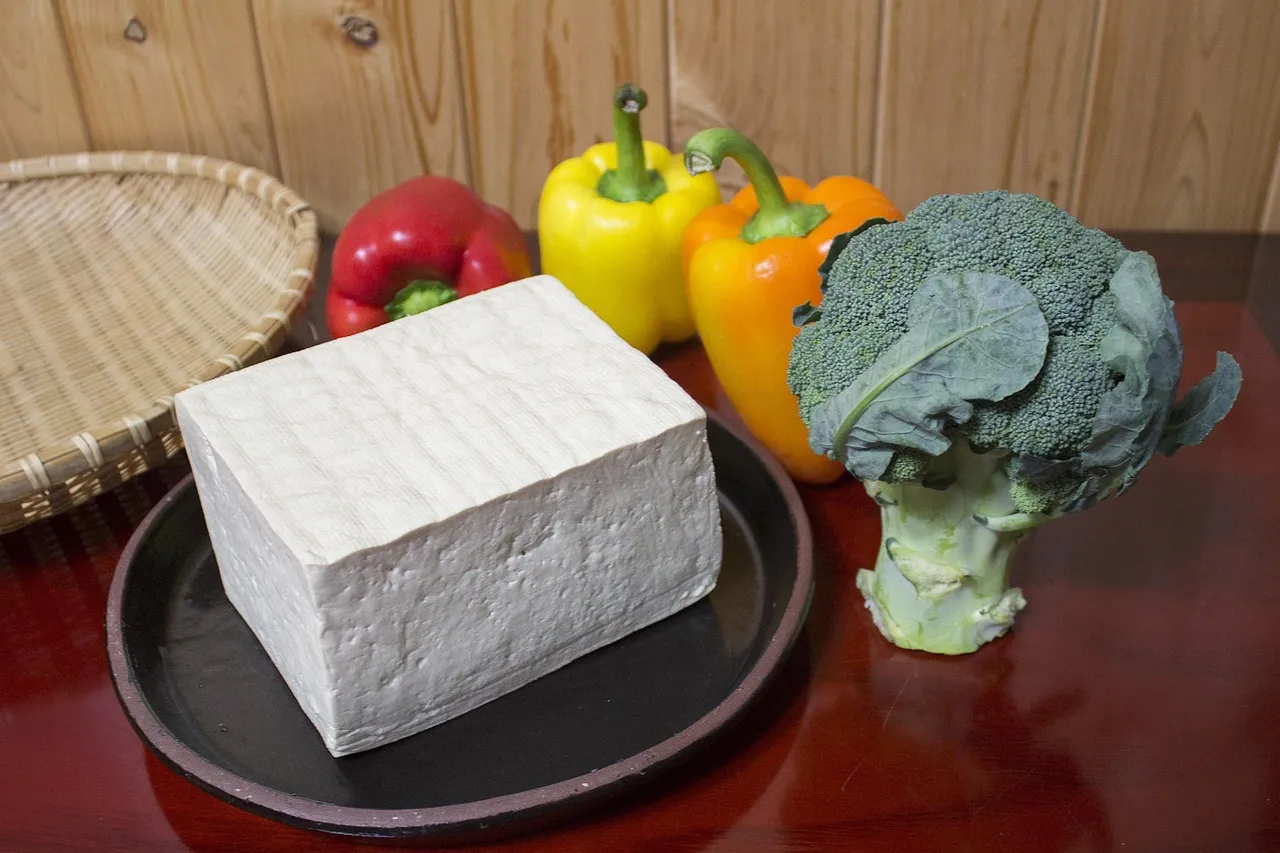
Hidden Animal Ingredients in Korean Food (Fish Sauce, Anchovy Stock)
Korean food hides animal products in fish sauce, salted shrimp and anchovy stock, even in kimchi and vegetable stews. Here's what to watch and how to eat vegan in Korea.
The Kosher Traveler's Guide to Packaged Food
Keeping kosher while traveling means spotting hidden non-kosher ingredients and recognizing certification symbols. Here's what to check and how to stay kosher anywhere.
Hidden Animal Ingredients in Malaysian and Singaporean Food (Belacan, Lard)
Malaysian and Singaporean food hides animal products in belacan shrimp paste, anchovy sambal and pork lard, even in vegetable dishes. Here's what to watch.
Hidden Animal Ingredients in Mexican Food (Lard, Stock and Manteca)
Mexican food hides animal products in lard (manteca), chicken stock and cheese. Even refried beans and rice are often not vegetarian. Here's how to eat vegan in Mexico.
Hidden Animal Ingredients in Middle Eastern Food (Lamb, Ghee and Stock)
Middle Eastern food hides animal products in lamb, ghee and meat stock, even in rice and stews. But falafel, hummus and tabbouleh are vegan. Here's what to watch.

Scan Food Offline: How to Check Ingredients Without Signal
Checking food ingredients while traveling often means no signal. Here's how offline scanning works, when to download languages, and how to check labels anywhere.
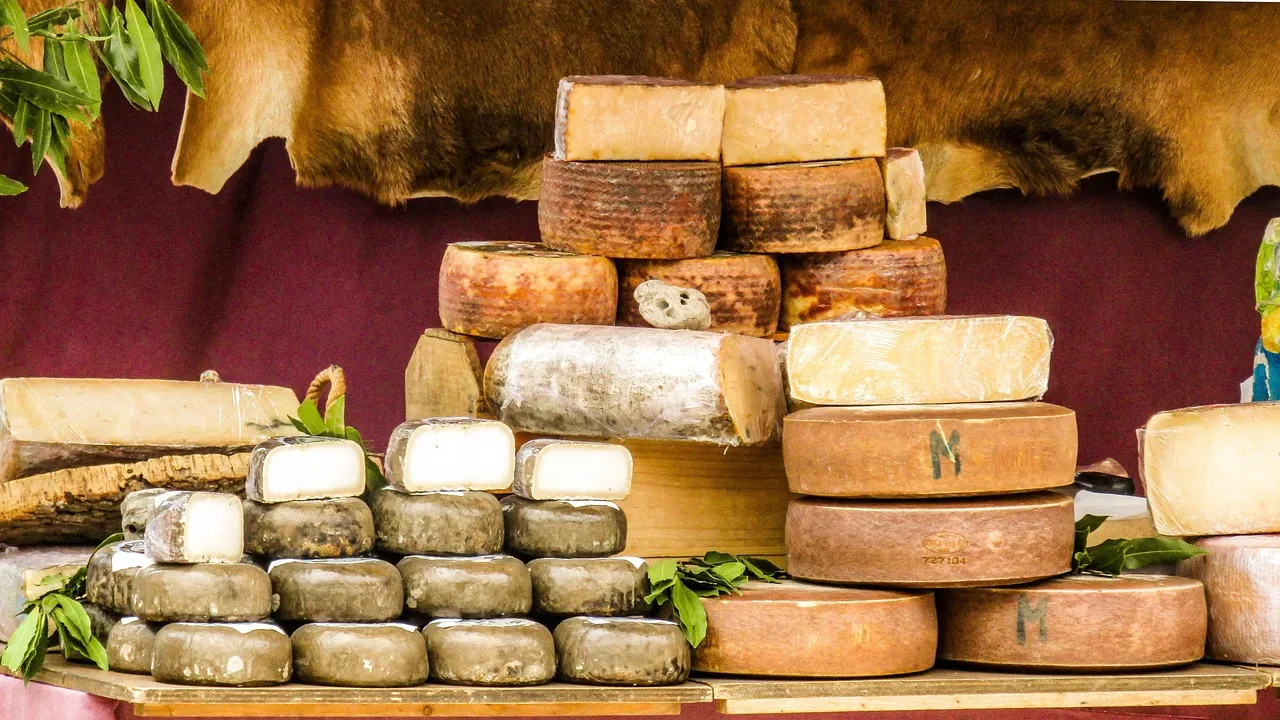
Hidden Animal Ingredients in Spanish Food (Chorizo, Jamon and Stock)
Spanish food hides animal products in chorizo, jamon, meat stock and rennet cheese, even in bean stews and paella. Here's what to watch and how to eat vegan in Spain.
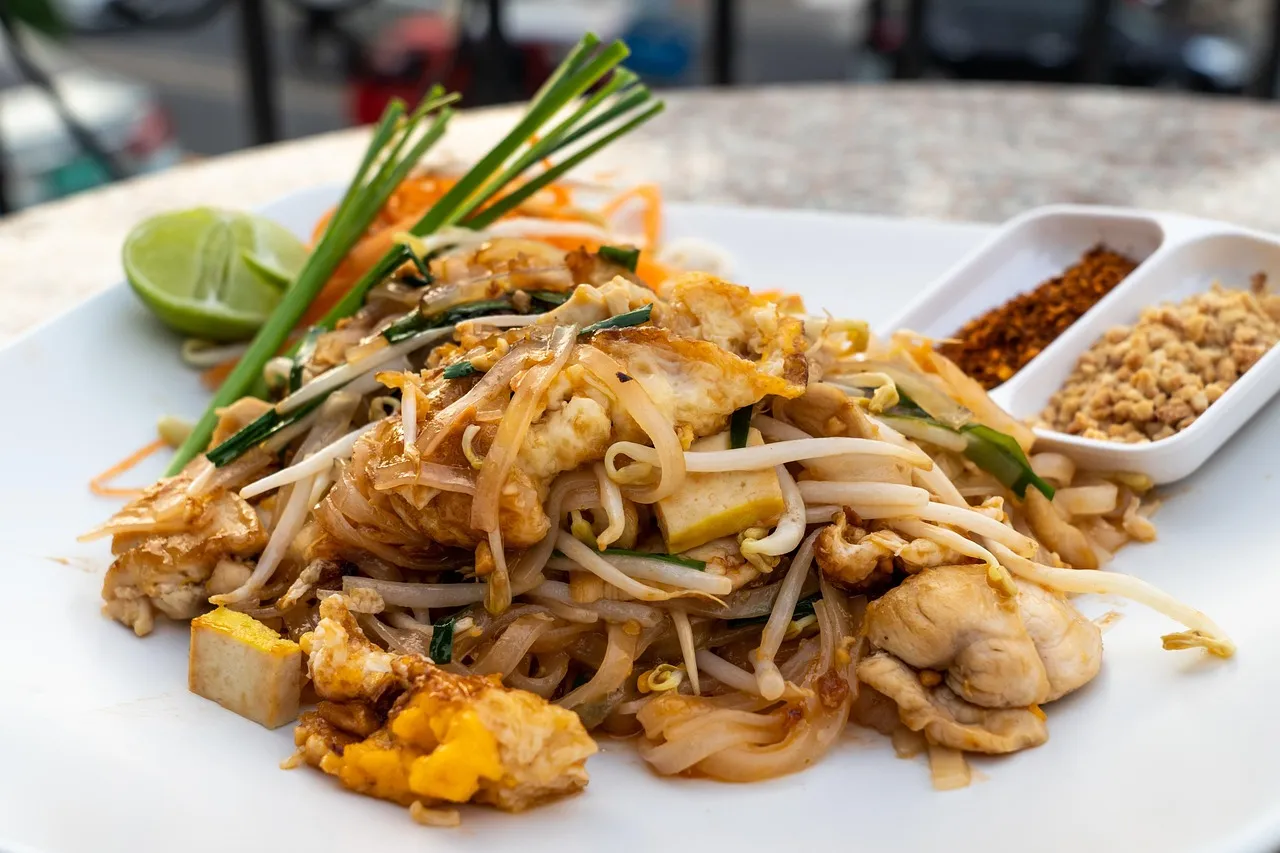
Hidden Animal Ingredients in Thai Food (Fish Sauce, Shrimp Paste)
Thai food hides animal products in fish sauce, shrimp paste and oyster sauce, even in dishes that look vegetarian. Here's what to watch and how to order vegan in Thailand.

Vegan and Halal Meals at Airports: A Survival Guide
Airports are the hardest place to eat vegan or halal, with grab-and-go food hiding meat, fish and gelatin. Here's what to look for and what to pack instead.
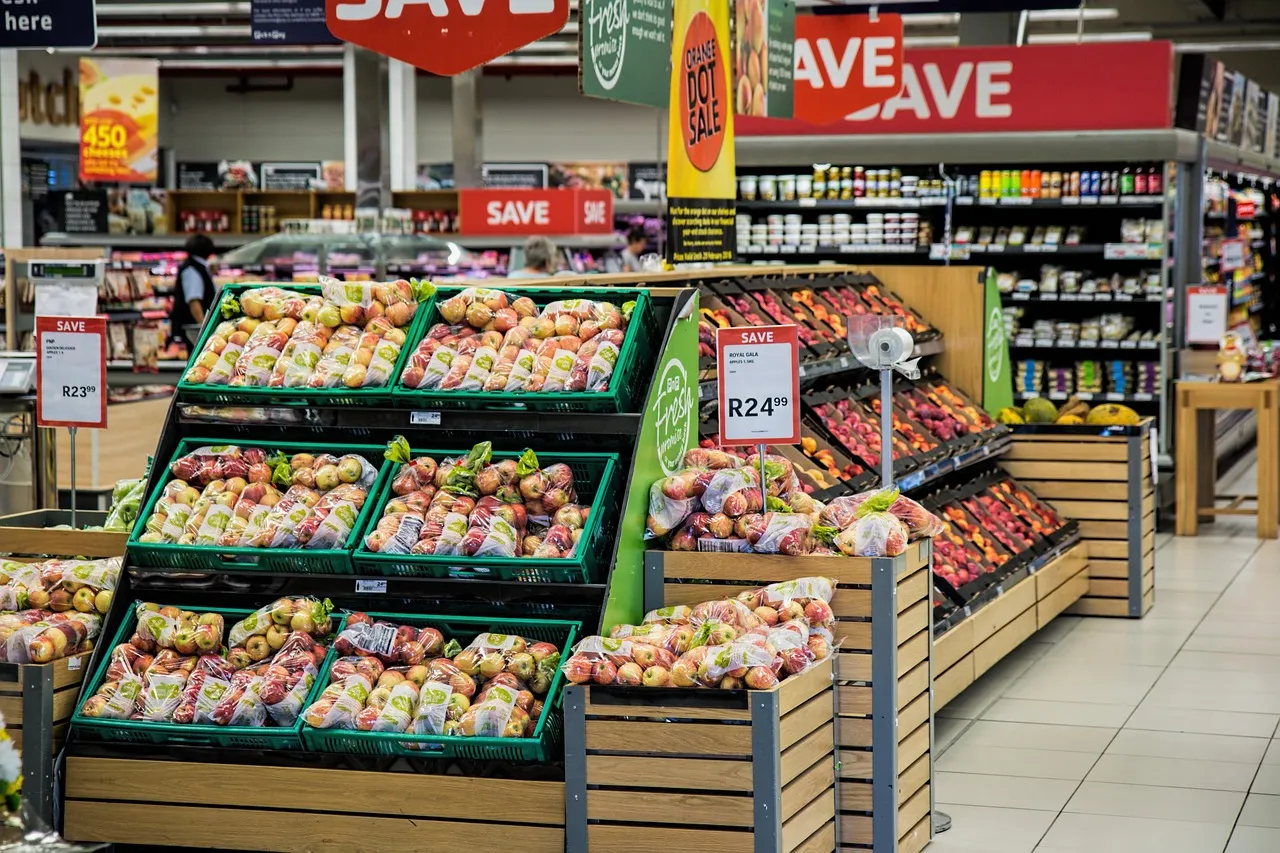
How to Read Food Labels in a Foreign Language (Vegan or Vegetarian)
Shopping for vegan or vegetarian food in a country whose language you don't read is hard. Here's a practical method, the key words to learn, and how to check a label fast.

The Vegan Traveler's Guide to Japan
Japan is one of the hardest countries to eat vegan, because dashi fish stock is in almost everything. Here's what's safe, what to avoid, and how to eat well.

The Vegetarian Student's Guide to Eating Abroad
Studying abroad as a vegetarian means foreign labels, dining halls and a tight budget. Here's a practical method to eat well and stay plant-based in a new country.
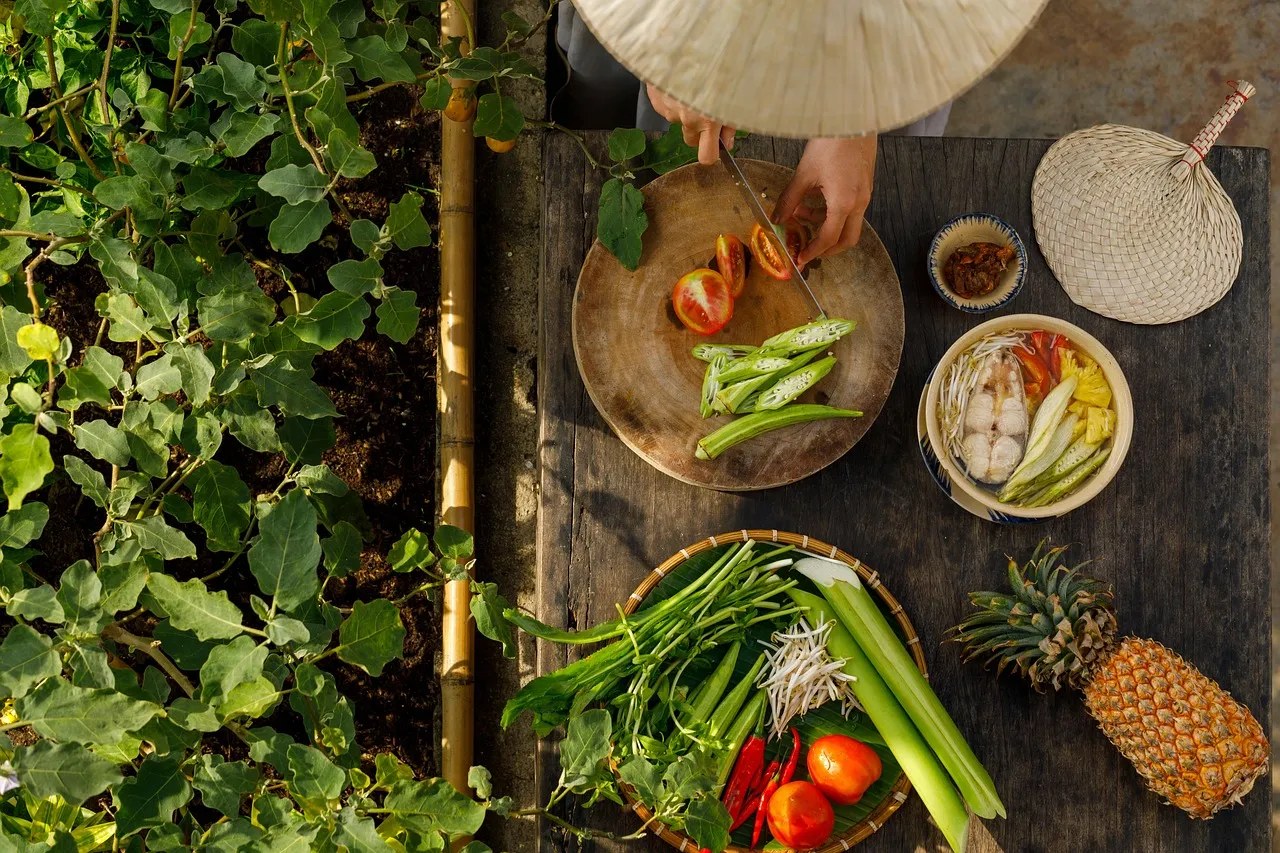
Hidden Animal Ingredients in Vietnamese Food (Fish Sauce, Shrimp Paste)
Vietnamese food hides animal products in fish sauce (nuoc mam), shrimp paste and the dipping sauce, even in fresh spring rolls. Here's what to watch and how to eat vegan in Vietnam.
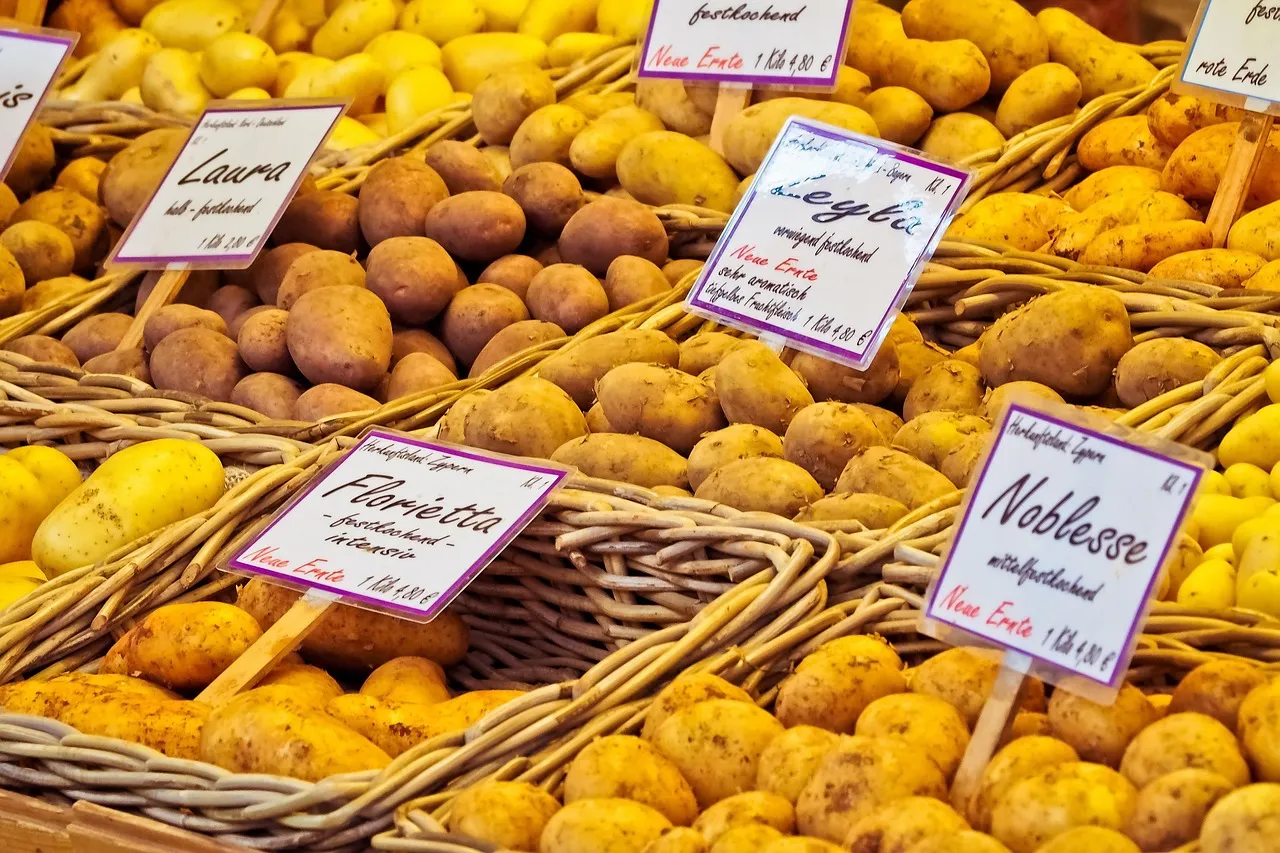
Your First Grocery Trip Abroad on a Restricted Diet: A Step-by-Step Plan
The first supermarket abroad is where most restricted diets go wrong. Here is a step-by-step plan: what to learn before you shop, how to read a label in a language you do not speak, and the traps to expect in week one.