

Hidden Animal Ingredients in Spanish Food (Chorizo, Jamon and Stock)
Hidden Animal Ingredients in Spanish Food (Chorizo, Jamon and Stock)
Spain is famous for cured pork, which means the animal products are often dissolved into the stews and stocks rather than served as a visible steak. A plate of lentils, a bowl of paella, a slice of tortilla. None look like meat, but all of them usually contain it.
Key Takeaways
- Chorizo, a pork sausage, flavors lentil stews, fabada and many “vegetable” dishes.
- Jamon (cured ham) is used in stocks and broths, even when the ham itself is not served.
- Paella and stews are usually cooked in meat or fish stock.
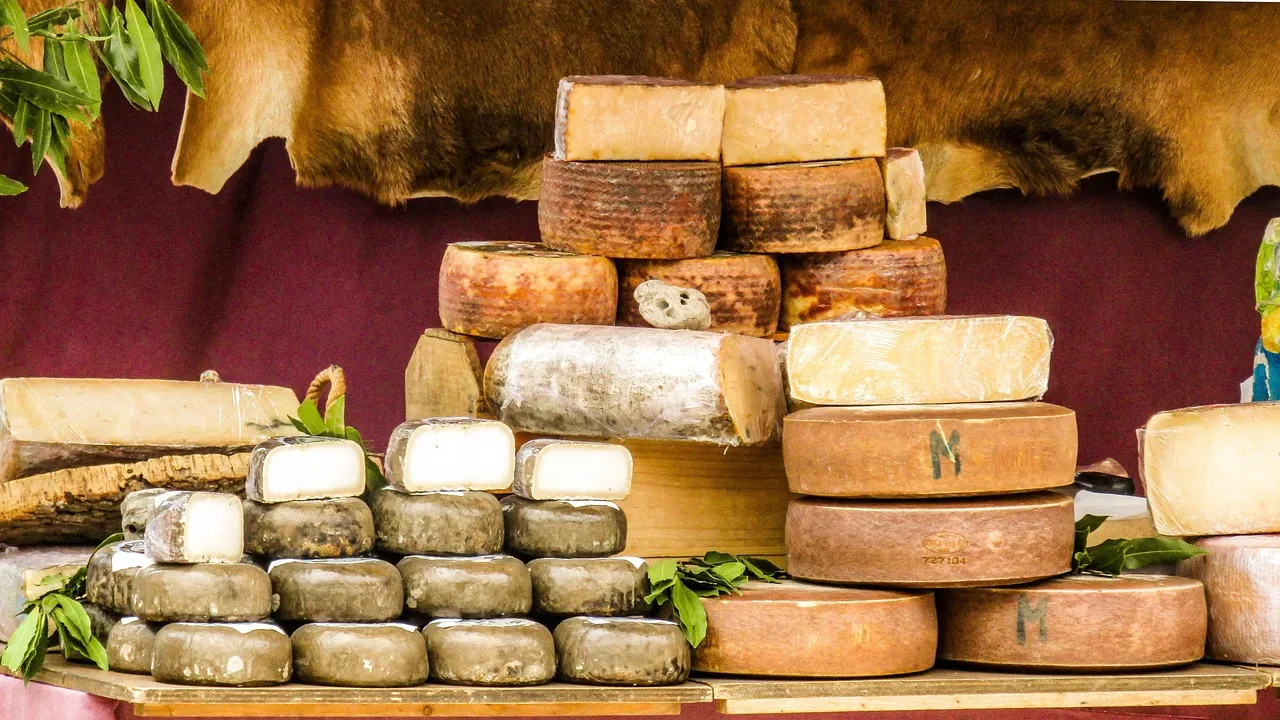
- Manchego and other hard Spanish cheeses use animal rennet, and anchovies hide in some dishes.
TL;DR: Spanish food hides animal products in chorizo, jamon, meat stock and rennet cheese. The cured pork is in the stews and broths, not just on the plate.
Chorizo: the sausage in the stew
Chorizo is the Spanish pork sausage, and it is the flavoring agent in many dishes that look vegetarian:
- Lentejas (lentil stew) often contains chorizo.
- Fabada asturiana is a bean stew built on chorizo, morcilla (blood sausage) and pork.
- Cocido and other stews use pork and chorizo for broth.
So a “lentil stew” or “bean stew” on a Spanish menu is usually not vegetarian. A travel guide to being vegetarian in Spain calls these the hidden traps nobody warns you about (Catalunyaar, retrieved 2026-08-25).
Jamon: the ham in the stock
Jamon, the cured ham, is Spain’s national ingredient, and it is used to flavor stocks and broths even when no ham is served. A “vegetable soup” can therefore be cooked with a ham bone. The same applies to some rice dishes and stews.
Paella and stock
Paella is cooked in meat or fish stock by default, and the traditional versions include chicken, rabbit or seafood. Even a “vegetable paella” (paella de verduras) is only vegetarian if it is made with vegetable stock, so it is worth asking.
The cheese and anchovy layer
- Manchego and other hard Spanish cheeses use animal rennet.
- Anchovies (boquerones and anchoas) appear in some dishes and sauces.
- Tortilla española (the potato omelette) is egg-based, so it is vegetarian but not vegan.
- Lard is used in some traditional pastries and empanadas.
How to order
- Ask if the lentil or bean stew has chorizo or jamon.
- Ask if the paella is made with vegetable stock.
- For vegan, skip the tortilla, cheese and any cured pork.
- Check packaged Spanish products. A scanner app flags chorizo, jamon, stock and rennet against your diet.
See our Spain common-ingredients guide for a fuller list.
The bottom line
Spanish food hides animal products in its stews, its stocks and its cured pork. Chorizo and jamon are the two to watch, and paella is the dish to question. Ask about the stew and the stock, and you will catch most of it.
Check before you eat. The Verify Veg app scans a barcode or reads an ingredient list from a photo and flags ingredients against your diet (vegan, vegetarian, halal, kosher, Jain and more). Download on the App Store - Android is coming soon.
Written by Samir Narain, founder of Verify Veg. Verify Veg helps people check packaged food against their diet by scanning barcodes and reading ingredient lists from photos.
Note: Verify Veg provides ingredient-based compatibility checks, not certification. Recipes and preparations vary by restaurant, region and cook, so always confirm with the restaurant, brand or vendor.